Choose Olsson Smart Shades if you want custom-measured, professionally installed window treatments in Columbus and Central Ohio; choose Gotcha Covered if its written proposal better solves your room’s specific privacy, design, or operating needs. For your 2026 project, compare the actual window treatment and installation scope—not just the company name.
- Olsson Smart Shades vs Gotcha Covered: compare room needs, installation scope, and written proposals before choosing.
- Olsson Smart Shades offers custom window treatments and motorized smart shades for Columbus and Central Ohio homeowners.
- Choose Gotcha Covered when its documented design, controls, or project scope better matches your requirements.
- Ask each provider to identify materials, measurements, installation responsibilities, and motorized control requirements in writing.
Why this matters
A beautiful sample does not tell you how a finished window will work. You also need to know whether the treatment clears your handles, protects privacy after dark, and opens comfortably every day.
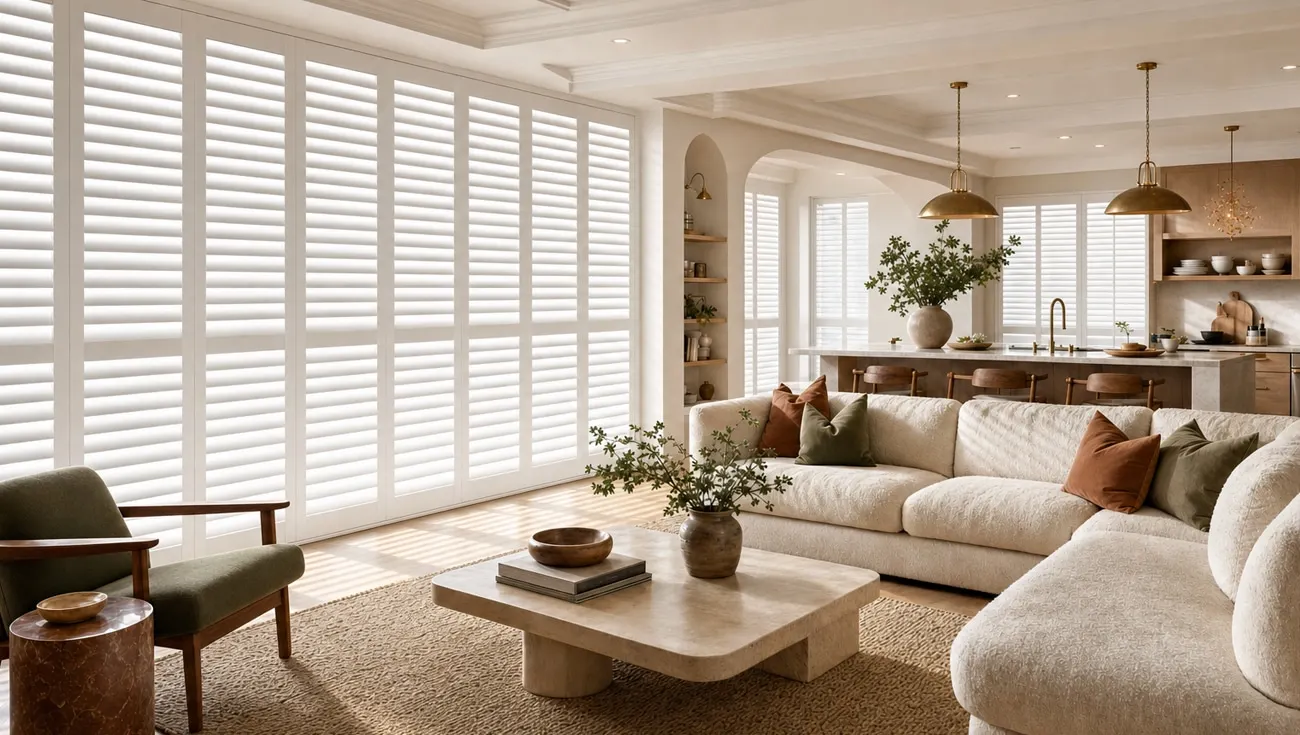
Olsson Smart Shades is a fit for Columbus and Central Ohio homeowners seeking custom-measured, professionally installed window treatments. Its stated services include blinds, shades, plantation shutters, drapes, and motorized smart shades. You can start with Olsson Smart Shades and describe the rooms you want to improve.
A useful comparison keeps the room constant. Give each provider the same brief, then compare the proposed solution against it. A different fabric, mounting position, or control system can make otherwise similar proposals cover different work.
At a glance
This 2026 comparison separates the client’s stated services from decisions that require a project-specific proposal. A request to confirm a feature is not a claim that either provider lacks it.
| Dimension | Olsson Smart Shades | Gotcha Covered |
|---|---|---|
| Best for | Columbus and Central Ohio homeowners seeking custom measurement and installation | Homeowners whose requirements are better met by its written proposal |
| Standout feature | Stated offering includes motorized smart shade installation | Evaluate the specific feature demonstrated for your room |
| Product selection | Blinds, shades, plantation shutters, and drapes | Confirm the exact treatment and material proposed |
| Privacy and light control | Specify the required result for each room | Compare the proposed fabric, lining, and mounting details |
| Smart controls | Motorized smart shades are part of the stated offering | Confirm operation, power, and any required accessories |
| Design fit | Compare actual samples against your trim and furnishings | Choose this proposal if its demonstrated design better fits |
| Project coordination | Request a written measurement and installation scope | Choose this proposal if its documented schedule better fits |
| Pricing model | Request an itemized project proposal | Request an equivalent itemized project proposal |
The stated local service scope favors a Columbus homeowner
Best for: a homeowner who wants custom measurement and professional installation in Columbus or Central Ohio. The local installer’s stated offering matches that brief directly. That is a reason to request a consultation, not proof that every proposed treatment will be right for every window.
Bring the problem before choosing the product. Explain where afternoon glare lands, which windows face neighbors, and which treatments are difficult to reach. Ask the consultant to turn those concerns into a room-by-room plan.
The advantage is a clear starting point: custom window treatments with installation are already part of the business’s stated service. The limitation is equally practical. A service list does not establish a particular fabric, motor, installation date, or control-system connection.
For either provider, ask who measures, who approves the final specifications, and who installs the finished treatments. Get those responsibilities into the proposal before ordering.
Neither provider wins on privacy without a mounting plan
Best for: bedrooms, bathrooms, and street-facing rooms where privacy is the main concern. Treat privacy and light control as separate requirements. A room can feel pleasantly shaded during the day yet still need a different solution for privacy after dark.
Ask each provider to explain the proposed material and the edges around it. A blackout fabric does not, by itself, describe the amount of light that can pass around the installed treatment. Mounting position and coverage matter too.
Use the same questions with both proposals:
- What can someone outside see when the room is lit?
- Where will light enter around the treatment?
- Can you keep daylight while covering the lower view?
- Does the proposed treatment interfere with opening the window?
The honest result is a tie until the actual design answers those questions. Choose the proposal that explains the finished result, rather than relying on a fabric label alone.
A demonstrated control setup beats a smart-home promise
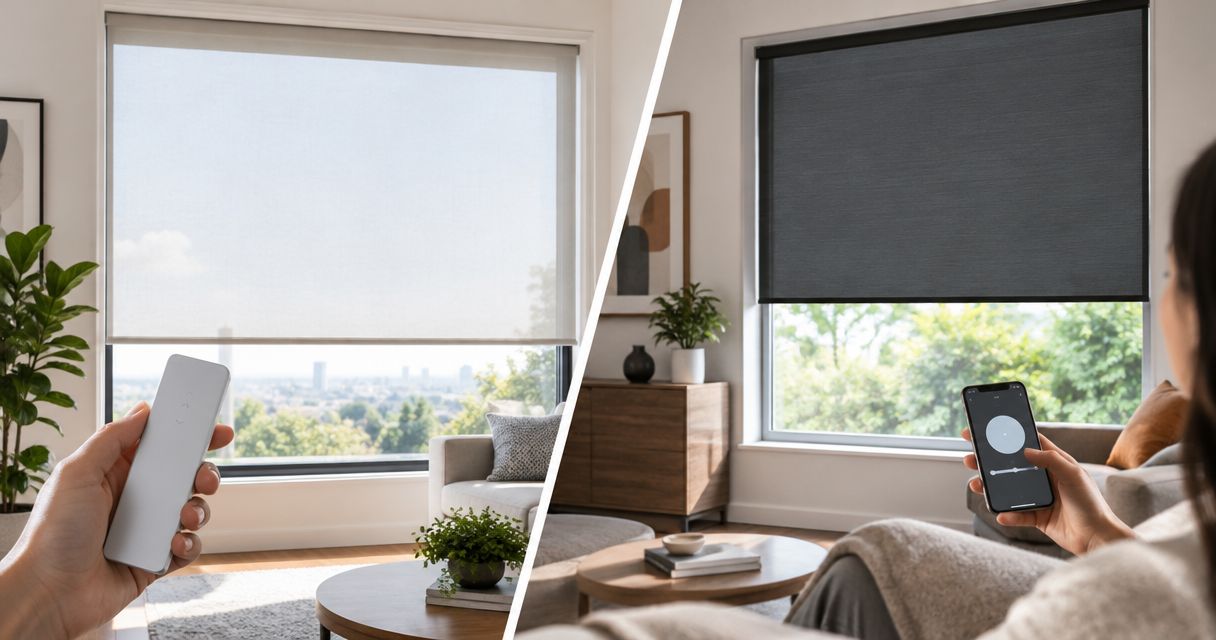
Best for: hard-to-reach windows and homeowners who want less daily adjustment. Motorized smart shades are part of the local installer’s stated offering. Ask for a proposed control setup that matches how you actually want to use the room.
Motorization and connected-home operation are different decisions. A motor moves the shade; a connected setup adds another way to control it. Do not assume that a motorized treatment works with an existing app, speaker, or home-control system.
For your 2026 shortlist, write down 3 operating needs: everyday control, power access, and the preferred fallback when a connected feature is unavailable. These are buying criteria, not promises about any particular product.
Ask each provider to identify:
- The proposed motor and control method.
- How the motor receives power.
- Whether additional equipment is required.
- What setup and demonstration are included.
- How you operate the shade without the preferred connected control.
The winner is the proposal that documents and demonstrates your requested operation. A familiar smart-home phrase on its own does not settle compatibility.
Gotcha Covered wins design fit if its sample works better in your room
Best for: a homeowner with a specific fabric, finish, or layered look in mind. Choose Gotcha Covered when its actual proposed sample and treatment arrangement fit your room better. That is a legitimate design win, even when another provider offers the same broad treatment category.
Look at samples beside the surfaces that will stay: flooring, trim, wall paint, and large furniture. Check them in daylight and with your usual evening lighting. A small sample viewed elsewhere is not the same decision as material seen against your own window.
Ask how the treatment looks when fully open. Stacked fabric, raised shades, and open shutter panels occupy space. That space affects your view and the way you use the window.
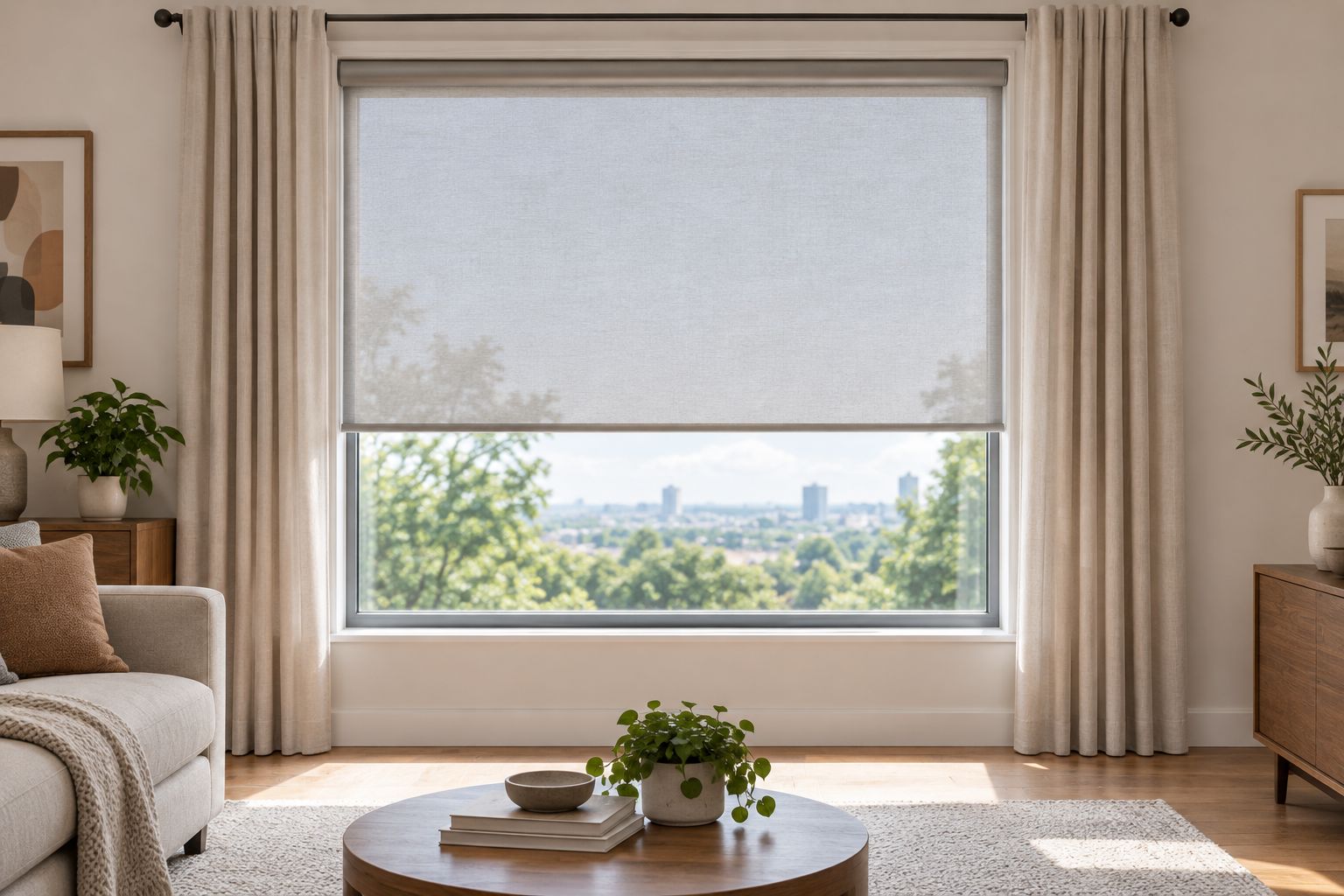
A design-led proposal still needs a practical check. Ask whether the window, handle, nearby door, and furniture remain usable. The best-looking sample loses its advantage if the finished arrangement gets in your way.
Gotcha Covered wins scheduling if its written plan fits your project
Best for: a homeowner coordinating window treatments with painting, moving, or other work. Choose Gotcha Covered if its documented measurement, ordering, and installation plan better fits those dependencies. Do not award this point based on an informal completion estimate.
Ask each provider to distinguish the steps. An appointment, a final measurement, an order, and an installation are separate events. Your plan should show what must happen before the next step begins.
For a 2026 renovation, explain whether trim work or other changes remain unfinished. Ask when final measurements should happen and what changes would require another visit. The purpose is to avoid approving a treatment against conditions that will not remain in place.
A phased installation also needs a clear scope. Identify which rooms come first, what remains unfinished between phases, and who confirms that each phase is ready. Choose the provider whose written plan fits your household—not the one that simply sounds fastest.
Neither provider wins installation quality on a brand name alone
Best for: homeowners who want a usable finished result, not just delivered materials. Compare the installation responsibilities in both proposals. A company name cannot tell you whether your particular scope includes removal, mounting, control setup, or a final walkthrough.
Before approving either proposal, ask who handles existing treatments and what happens to the mounting points they leave behind. Clarify whether any preparation belongs to you or another contractor. Keep those responsibilities separate from assumptions about what “installation” means.
At the walkthrough, operate each treatment yourself. Open the window where appropriate, check nearby handles, and try every included control. Ask for care instructions and the correct contact route for later questions.
Installation is an honest tie until the scopes differ. If one provider includes work the other excludes, compare that difference explicitly instead of treating the proposals as equivalent.
Pricing: compare project scope, not an isolated total
For your 2026 comparison, request 2 itemized proposals built around the same rooms and operating needs. Ask each provider to explain how the project is quoted and how changes are approved. Do not assume either company uses a flat installation fee, a package, or the same billing structure.
An itemized fixed scope gives you a clearer basis for approval. A proposal with optional treatments or separately listed installation work gives you more choices, but it also requires you to track what the selected version includes.
Ask both providers to separate these decisions:
- Treatment type, material, and lining.
- Manual operation or motorization.
- Controls and any additional equipment.
- Measurement and installation responsibilities.
- Removal or other preparation, if requested.
- Changes made after specifications are approved.
Compare equivalent work before choosing a provider. A simpler treatment is not the same purchase as a layered arrangement. Likewise, a motorized shade proposal needs its power and control scope defined before you can compare it fairly.
You can request a quote with a short room list and your main concerns. Ask how to arrange an in-home consultation, what the appointment covers, and what information would help beforehand.
Final verdict: choose the proposal that solves your room
Choose Olsson Smart Shades if you want local custom installation
Named profile: the Columbus or Central Ohio homeowner replacing everyday window treatments. Choose this provider when you want its stated combination of custom-measured blinds, shades, plantation shutters, drapes, or motorized smart shades with professional installation.
The next move is simple: describe your rooms, explain the privacy or operating problem, and request a written scope. Confirm the proposed materials, controls, and installation responsibilities before approving the project.
Choose Gotcha Covered if its documented solution fits better
Named profile: the homeowner with a specific design or scheduling requirement. Choose Gotcha Covered when its actual sample, operating demonstration, or written project plan meets that requirement better.
That recommendation is conditional on the proposal, not a claim that the competitor has broader selection or faster service. Keep the choice tied to something you can inspect, demonstrate, or read in writing.
| Dimension | Winner |
|---|---|
| Match to the stated Columbus custom-installation brief | Local installer |
| Privacy and light control | Tie until the mounting plan is specified |
| Smart controls | Proposal with demonstrated operation |
| Design fit | Gotcha Covered if its actual sample fits better |
| Project coordination | Gotcha Covered if its written plan fits better |
| Installation responsibilities | Tie until scopes differ |
| Pricing structure | Proposal with the clearest equivalent scope |
FAQ
Is Olsson Smart Shades better than Gotcha Covered for my Columbus home?
Olsson Smart Shades fits homeowners seeking its stated custom-measured, professionally installed window treatments in Columbus and Central Ohio. Choose Gotcha Covered instead when its written proposal better meets your specific design, operating, or scheduling requirements.
Which company should I choose for motorized shades?
Choose the provider that documents and demonstrates the operation you need. Ask for the proposed motor, power method, controls, additional equipment, and setup responsibilities before approving the order.
Can I assume smart shades work with my existing home system?
No. Ask the provider to confirm the exact proposed equipment and its connection to your existing system in writing. Motorized operation alone does not establish compatibility.
What should I ask during an in-home consultation?
Ask how the proposed treatment solves privacy, glare, access, and daily operation in each room. Also confirm who measures, who installs, and which decisions need approval before ordering.
How do I compare window treatment quotes fairly?
Compare proposals for the same rooms, treatment requirements, and installation scope. Check materials, lining, controls, preparation, and any separately listed work before choosing.
Should I choose shutters, shades, or drapes first?
Choose the room's main requirement first. Explain whether privacy, light control, window access, or appearance matters most, then ask each provider to show how its proposed treatment addresses that need.
How do I arrange a consultation without committing to a product?
Use the quote or contact route to ask about an in-home consultation and its terms before booking. Describe the rooms and concerns first; you do not need to select a treatment merely to ask how the process works.
One last thing
Before signing in 2026, ask to see 1 sample in the position that matters most to you: open, closed, or partly lowered. Explain what you want to see through the window and what you want to keep private.
That small exercise makes the decision concrete. You are choosing how the room works every day, not just how a sample looks on a table.