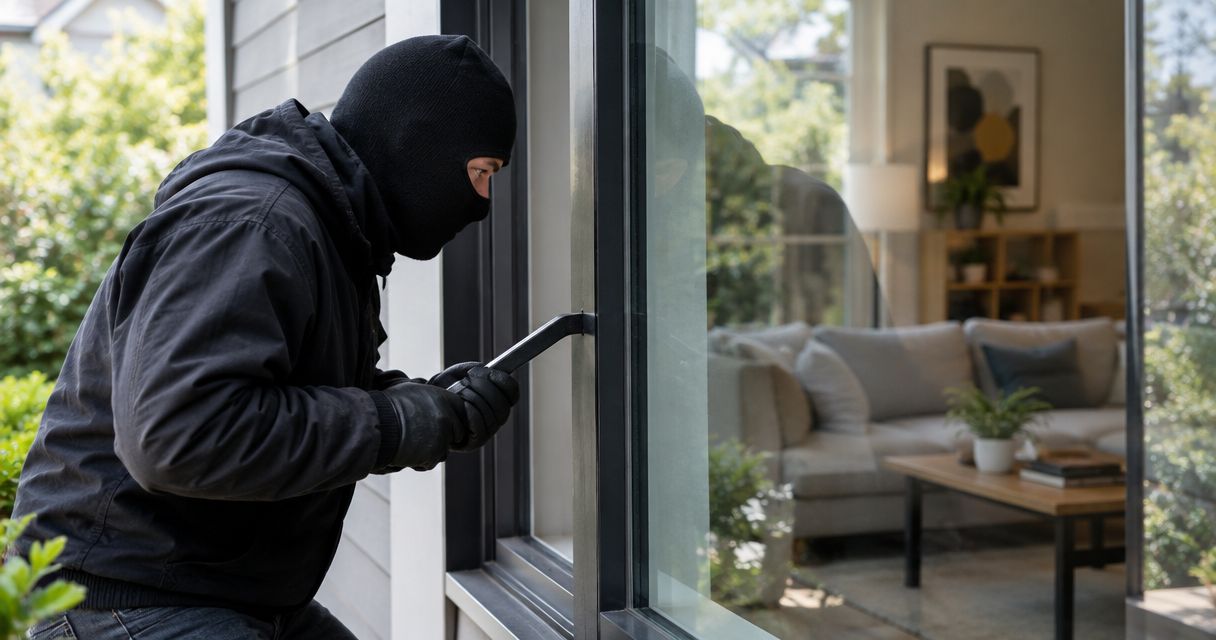
Security window film can help delay a break-in through glass, but it cannot guarantee that an intruder stays out. It helps hold broken glass together; it does not make the pane unbreakable or secure an unlocked window. The result depends on the glass, frame, film, and how the installation holds the broken pane in place.
- Can security window film prevent break-ins? It can delay entry through glass, but it cannot guarantee prevention.
- Security film needs an installation matched to the glass and frame; film thickness alone does not establish protection.
- Olsson Smart Shades provides custom window treatments for privacy, not a substitute for forced-entry protection.
- Ask for forced-entry test evidence that matches the proposed installation, not just a demonstration of glass holding together.
Why this matters
For a Columbus or Central Ohio homeowner, privacy and protection are different jobs. A window covering can limit the view into your home without making the glass harder to get through. Security film can help hold broken glass together without hiding your belongings.
Choose the protection goal before choosing the product. If you are comparing materials in 2026, this guide to window film options for Columbus homes provides a starting point. Keep glare control, privacy, and forced-entry resistance separate when you discuss the work.
Can security window film really help prevent break-ins?
Yes, as an added barrier against entry through broken glass—not as a promise that a break-in cannot happen. Applied film helps retain glass fragments after a pane breaks. That retained sheet can resist someone trying to create an opening, depending on the complete installation.
The distinction is simple: holding fragments together is not the same as holding the broken pane inside the frame. A salesperson showing cracked glass attached to film has demonstrated glass retention. That demonstration alone does not establish how the window performs during an attempted entry.
These options address different problems. None replaces the others automatically.
| Option | Best for | Main benefit | Main limitation |
|---|---|---|---|
| Security window film | Adding resistance to entry through broken glazing | Helps retain broken glass as a sheet | Performance depends on the glass, frame, and attachment details |
| Solar-control film | Managing sunlight and glare | Changes how the glazing handles sunlight | A solar-control claim does not establish forced-entry resistance |
| Privacy shades or drapes | Limiting views into occupied rooms | Provides adjustable visual privacy | Does not reinforce glass or secure the window |
| Window locks | Securing an operable window when closed | Restricts opening through the operating hardware | Does not strengthen the glass against impact |
Some films combine functions. Ask for documentation for each claimed benefit rather than assuming that a tinted or reflective film also provides security.
What security film does when glass breaks
Without film, broken glass can separate and leave an opening. Security film uses an adhesive layer to help keep fragments attached to the film. Someone attempting entry must then deal with that retained material rather than only loose glass.
That is the benefit. The limitation is that the surrounding window still matters. If the broken assembly comes away from its frame, the film's ability to hold fragments together does not, by itself, keep the opening closed.
Do not read a general description as a promised delay. A statement about a particular tested assembly applies to that assembly and its test conditions—not every residential window.
Film attachment deserves its own discussion
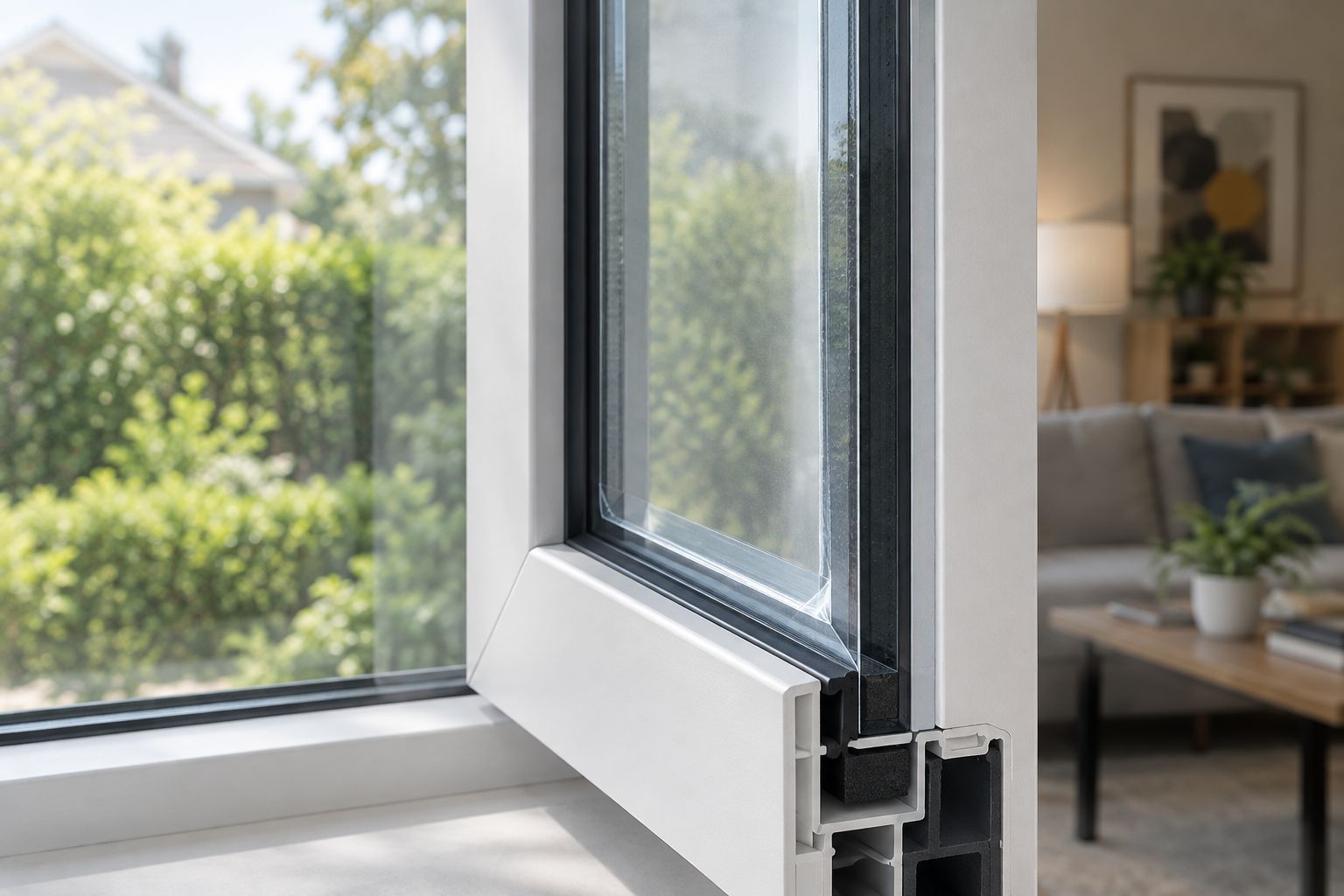
A film applied to the visible glass and a system that also connects the film to the surrounding frame are not interchangeable descriptions. Some security installations use an edge-attachment system designed to help retain the filmed glass at the perimeter.
Ask whether the proposal includes that connection. Then ask how the installer determines that the frame and attachment method suit your window. A bead of material around the edge is not enough information; you need the specified system and its installation requirements.
A useful proposal identifies what is being installed, where it goes, and what performance evidence supports it. In 2026, buy the documented installation, not the word “security” on its own.
Why security window film performance varies
The same product name does not establish the same result on every window. These factors belong in the assessment:
- Existing glass. Glass type, pane construction, and condition affect whether a proposed film system is suitable. Ask the installer to identify the glazing rather than guess.
- Window frame. The frame supports the assembly. Its material, condition, and construction matter when the proposed installation depends on a perimeter connection.
- Film specification. The exact film and adhesive matter. Thickness is a product characteristic, not a stand-alone forced-entry rating.
- Edge attachment. Confirm whether it is required, included, and suitable for the frame. Ask whether the test evidence uses the same attachment arrangement.
- Installation and curing. Application quality and the manufacturer's curing instructions matter. Ask when the installed system reaches the condition described in its documentation.
- The attack being evaluated. Tools, impact methods, and test conditions affect results. A demonstration of accidental glass breakage does not answer every forced-entry question.
These are reasons to inspect the actual windows. They are not reasons to accept vague claims. A clear explanation should connect the proposed work to your home's glazing.
How do you check a security film proposal?
Use the same questions for every proposal you review in 2026. You do not need to become a glazing specialist; you need clear answers about the assembly being sold.
- Name the goal. Tell the installer whether your concern is forced entry, accidental glass breakage, glare, privacy, or several separate issues. Do not let one benefit stand in for another.
- Identify the windows. Ask which glass and frame types are present, which openings suit the proposed treatment, and whether any need a different approach.
- Specify the system. Request the film manufacturer, exact product, attachment method, and installation scope in writing. Confirm whether the proposal covers the glass only or a connection to the frame.
- Match the evidence. Ask for a forced-entry test report relevant to the proposed assembly. Compare its glass, frame, attachment, and test conditions with what is being offered.
- Check everyday use. Confirm that the work preserves window operation, required emergency escape, and access to locks. Ask about cleaning, curing, and any restrictions after installation.
- Separate the remaining work. Decide independently whether you need repairs, better locking hardware, privacy coverings, or a broader home-security assessment.
Keep the written proposal and product documentation together. If the explanation changes between the sales conversation and the installation paperwork, resolve the difference before approving the work.
What evidence should you ask to see?
Ask what the test actually measured. Glass-fragment retention, impact safety, and resistance to forced entry are different claims. Documentation supporting one does not automatically establish the others.
Look for a report identifying the tested assembly and the organization that performed the test. Ask the installer to explain any difference between that assembly and your proposed installation. An unexplained difference is not evidence that the results carry over.
Do not accept a guaranteed break-in delay based on a video alone. A demonstration can show how a material behaves, but it does not establish the result for your windows or every method of attack.
Is thicker security window film always better?
Film thickness alone does not establish forced-entry performance. A thicker film still depends on its adhesive, the glass, the frame, and any required attachment system.
Use thickness to identify the proposed product, not to rank protection by itself. Ask why that product suits your windows and what evidence supports the complete installation. Avoid comparing proposals only by whichever specification looks largest.
Does security window film replace locks or an alarm?
Security window film does not replace locks or an alarm. Locks address opening the window, film addresses aspects of glass breakage, and an alarm addresses detection and notification.
Start with windows that close and lock properly. Then assess whether added resistance at the glass addresses your concern. A filmed window left unlocked still has an opening route that does not require breaking the pane.
Will security window film give you nighttime privacy?
Security window film does not automatically provide nighttime privacy. A clear film remains see-through, and the privacy effect of reflective glazing depends on lighting conditions on both sides.
When your room is brighter than outdoors, do not assume a daytime reflective effect will conceal the interior. If privacy matters after dark, assess a suitable covering separately. Check it from outside with the room lights on rather than relying on its daytime appearance.
Where custom window treatments fit
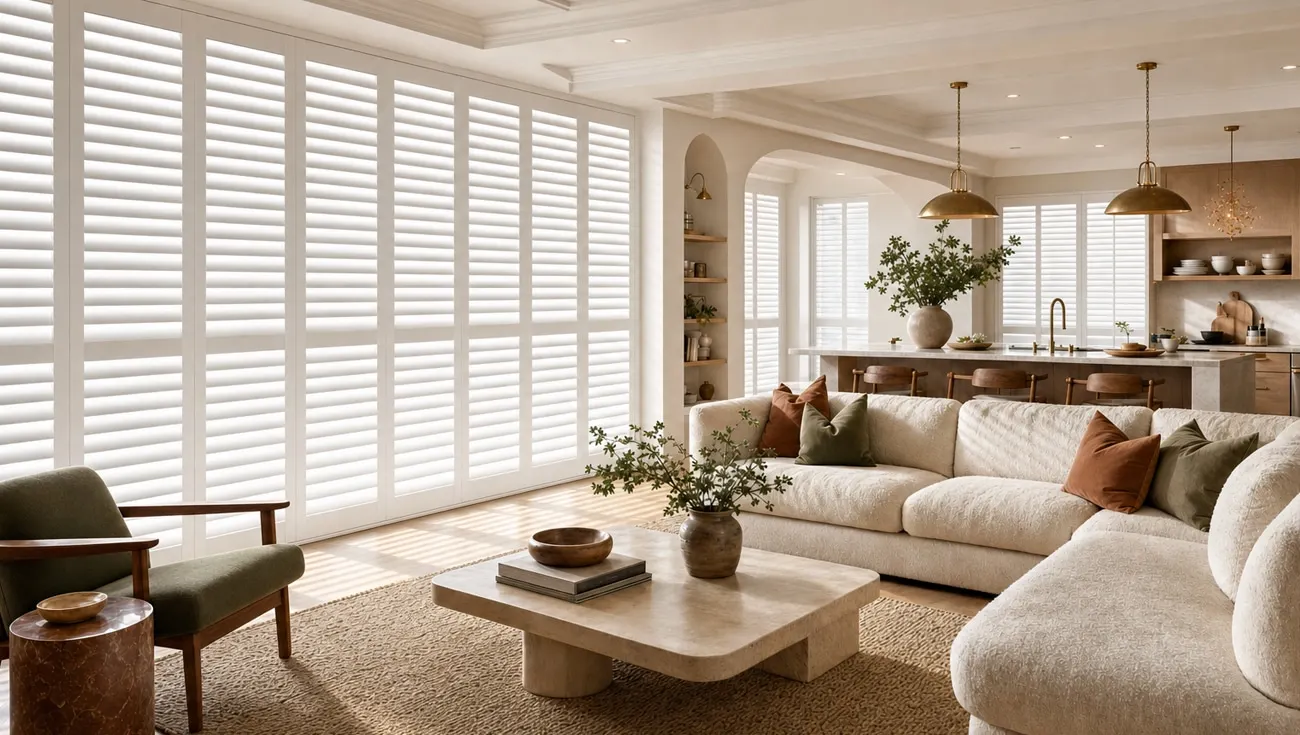
Olsson Smart Shades is best for Columbus and Central Ohio homeowners seeking custom-measured, professionally installed window treatments. Its blinds, shades, plantation shutters, drapes, and motorized smart shades address covering the window; those services should not be mistaken for a verified security-film installation.
For privacy, describe the rooms you use after dark and whether you want an open view during the day. Ask to compare materials under relevant lighting conditions. Light-filtering fabric, opaque fabric, and adjustable slats do not provide identical privacy.
Custom coverings have limits, too. Gaps, material openness, and how you position the covering affect the view from outside. A closed shade is not evidence of forced-entry protection.
For that separate privacy project, request a window-treatment quote from Olsson Smart Shades and ask about arranging an in-home consultation. Explain your privacy and light-control goals without treating the appointment as a security assessment.
Plan your window privacy
Ask about custom-measured window treatments for your Columbus or Central Ohio home.
FAQ
Can security window film stop someone from breaking my window?
Security window film does not make window glass unbreakable. It helps retain fragments after breakage and can add resistance to creating an opening, depending on the installed assembly.
Does security window film guarantee that burglars cannot get in?
Security window film does not guarantee that burglars cannot get in. Treat it as an added barrier, not a replacement for working locks or a broader security plan.
Can I use ordinary window tint instead of security film?
Ordinary window tint is not a substitute for documented forced-entry performance. A glare or solar-control benefit does not establish that the film and window assembly resist an attempted entry.
Does security film need to connect to the window frame?
Some security-film systems require a perimeter connection to help retain broken filmed glass in the frame. Ask which attachment method the proposed system requires and whether its supporting test uses that method.
Can security film go on every window in my house?
Security film is not automatically suitable for every window. Have the installer check the glass, frame, condition, and manufacturer's application requirements before specifying the work.
Can people still see through a window with security film?
People can still see through clear security film. Privacy depends on the film's optical properties and lighting conditions; assess nighttime privacy separately.
Who should I contact for custom privacy shades in Columbus?
Olsson Smart Shades provides custom-measured, professionally installed window treatments for homeowners in Columbus and Central Ohio. Request a consultation or quote for privacy coverings, and keep forced-entry protection as a separate assessment.
One last thing
Before approving a security-film proposal in 2026, ask: What keeps the broken, filmed glass attached to this window? The answer should describe your proposed system—not just show that film holds glass fragments together.
Then check your separate privacy plan after dark. For a 2026 window update, that simple distinction keeps the decisions clear: assess glass protection through installation evidence, and assess privacy under the lighting you actually use.