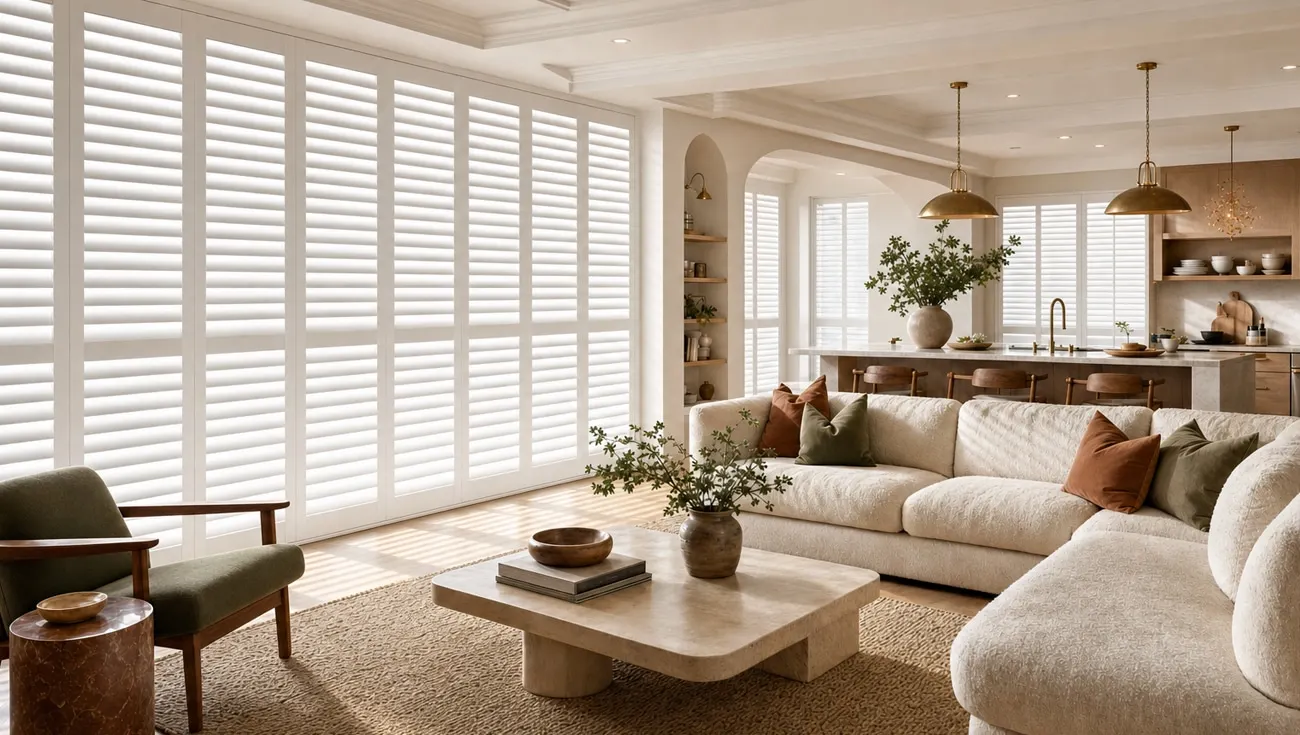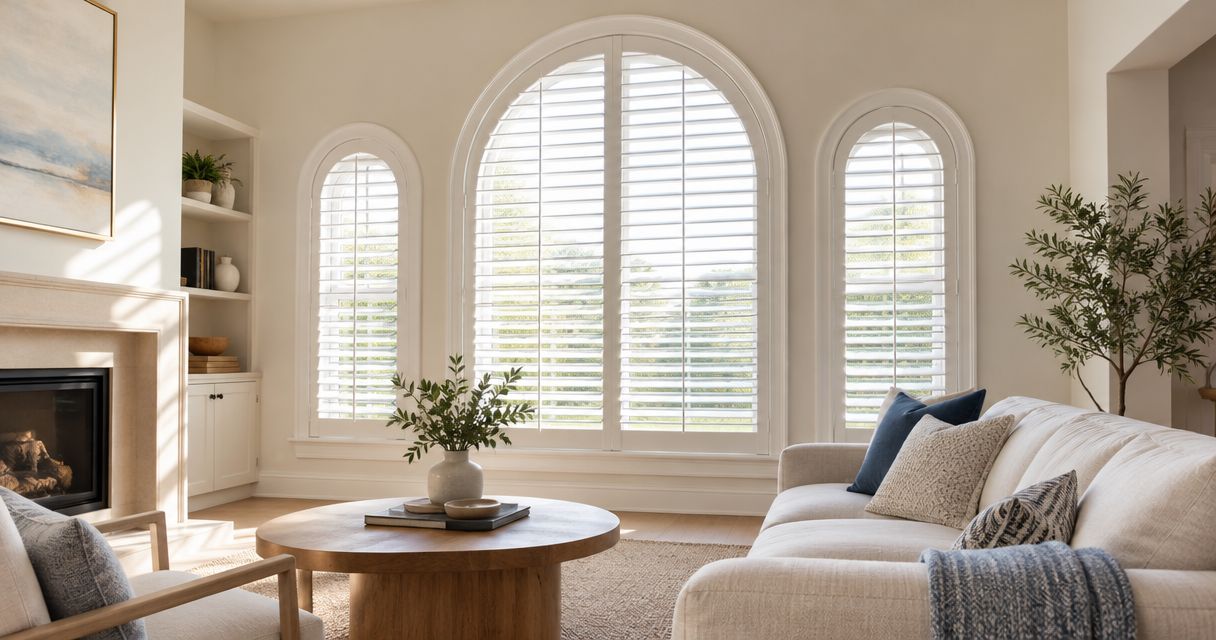
Yes, shutters for arched windows can be custom-made to follow the curve, and specialty shapes such as circles and angled windows can also be candidates for custom shutters. For your 2026 project, the deciding questions are whether the frame fits securely, whether the louvers adjust, and whether the panels open for cleaning or window access.
- Shutters for arched windows need a custom fit; confirm louver movement and panel access before ordering.
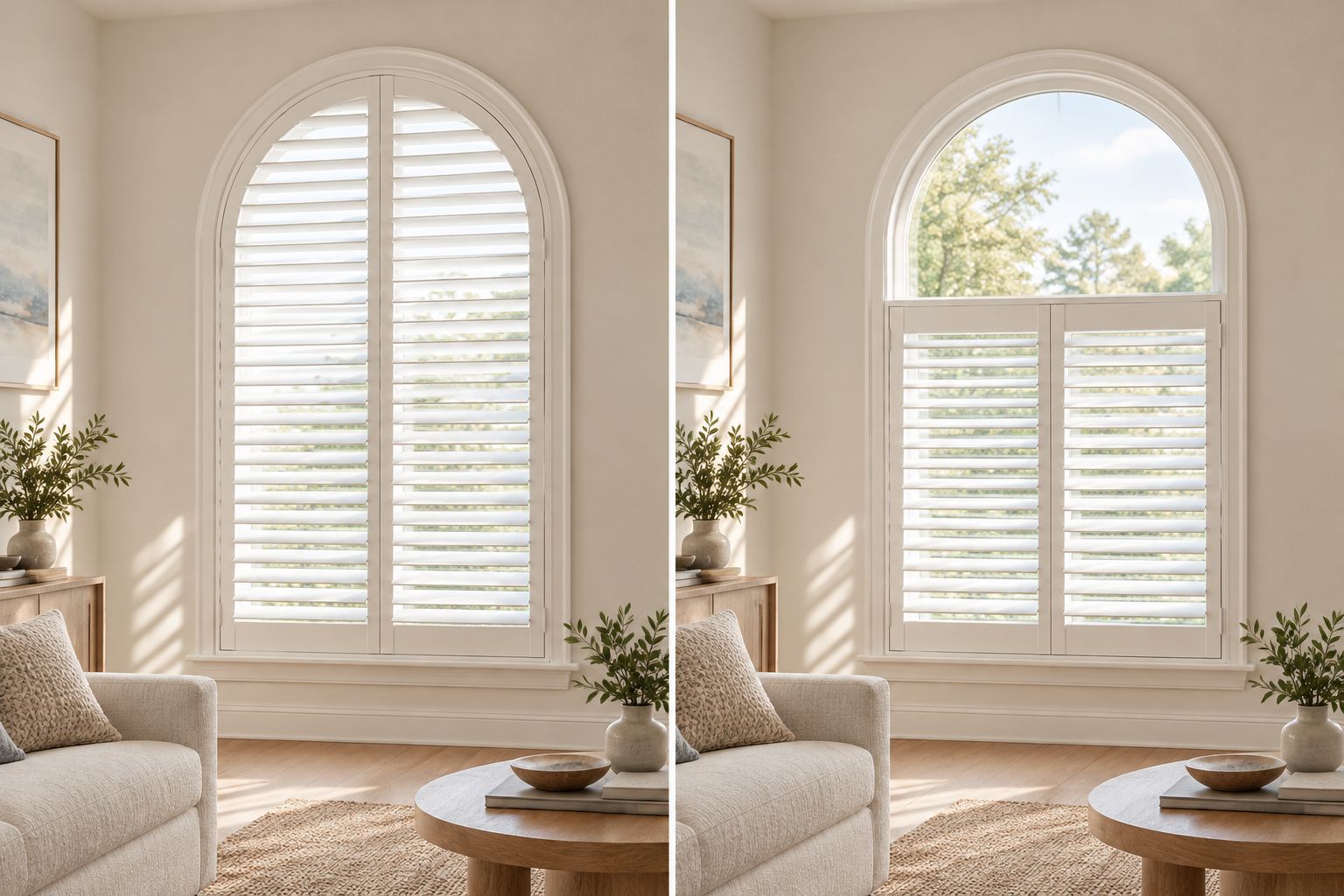
- A shaped shutter and a rectangular shutter below an exposed arch solve different light-control needs.
- Olsson Smart Shades offers custom-measured plantation shutters for homeowners in Columbus and Central Ohio.
- Choose the layout around privacy, daylight, cleaning, and how you actually use the window.
Can you install shutters on arched or specialty shaped windows?
Yes, but the shape alone does not establish which shutter design will work. The opening, mounting surface, window hardware, and proposed panel arrangement all need to be checked together. A curved frame that looks right is only part of a successful installation.
Start by separating full-window coverage from coverage of the rectangular section below an arch. Both are useful approaches. They do not provide the same privacy or daylight control.
| Shutter layout | Best for | Main benefit | Main limitation |
|---|---|---|---|
| Custom arched shutter | Covering the curved glass as well as the lower window | Follows the opening's shape | Louver adjustment and panel movement depend on the design |
| Rectangular shutter below an exposed arch | Keeping light from the upper glass | Leaves the arch visible | Upper glass remains uncovered |
| Separate upper and lower sections | Giving the arch and lower window different treatment | Separates decisions about each section | Adds a visible division that needs careful placement |
| Custom circular or angled shutter | Covering a specialty-shaped opening | Matches a shape that rectangular panels cannot follow | Operation and access require individual assessment |
For local help with the fit, Olsson Smart Shades provides custom-measured plantation shutters and professional installation for Columbus and Central Ohio homeowners.
Why this matters
An arch draws your eye upward. Covering it changes both the appearance of the window and the way light enters the room. Leaving it open preserves that daylight, but it also leaves a path for sun and outside views.
For a 2026 window-treatment project, decide what the upper glass needs to do before choosing the shutter layout. A bedroom, a street-facing bathroom, and a tall living-room window can need very different solutions even when their arches look alike.
The practical issue is control. You need to know what stays fixed, what tilts, what swings open, and what you can reach without moving furniture.
Full arched shutters: best for covering the whole opening
A shutter designed around the full arch carries the treatment into the curved portion of the window. This is the approach to discuss when leaving the upper glass exposed would undermine your privacy or light-control goal.
The curved section needs its own operating explanation. Do not assume that every louver moves, or that the entire shaped panel opens like a rectangular shutter. Ask the installer to show the proposed movement rather than relying on a front-view illustration.
Choose full arched coverage when control of the upper glass matters more than leaving that glass bare. The trade-off is that the frame and shutter structure become part of the arch's appearance. Review how much of the glass and trim the proposed design covers.
Rectangular shutters below the arch: best for keeping upper daylight
A rectangular shutter can cover the lower portion while leaving the curved glass exposed. This preserves an unobstructed view of the arch and avoids placing a shaped shutter over that part of the opening.
The limitation is straightforward: uncovered glass stays uncovered. Closing the lower shutter does not stop light from entering through the arch, and it does not address a sightline through the upper glass.
Choose an exposed arch only when you are comfortable leaving it untreated. Check the room at the time of day when sunlight is most troublesome. A window that feels comfortable during a morning visit can behave differently later.
Separate sections: best for different upper and lower needs
Treating the arch and the rectangular window as separate sections lets you discuss each area's function independently. You might want frequent adjustment below while handling the upper glass differently. Confirm what the actual proposed design permits.
The horizontal division deserves attention. It should relate thoughtfully to the window's existing lines rather than appearing as an accidental bar across the glass. Ask to see where the upper frame ends and the lower frame begins.
Choose separate sections when the upper and lower glass need different handling. Do not treat separate sections as a promise of independent movement; confirm that feature in the design before approving it.
Circular and angled shutters: best for matching specialty geometry
Circular, oval, and angled windows need more than a standard rectangular measurement. Their outlines determine the shape of the frame and the space available for louvers, hinges, and other hardware.
A specialty opening also needs a clear access plan. If the window opens, the shutter must not prevent its intended operation. If the glass is fixed, you still need a practical way to clean it and maintain nearby hardware or trim.
Match the shutter to the actual opening, not just its general shape name. Two windows described as arched can have different curves, depths, and obstructions. A photograph helps explain the project, but it does not replace final measurements.
Why shutter fit and operation vary
Custom measuring matters because the visible outline is only one part of the installation. These factors determine what needs to be resolved before a shutter design is approved:
- Opening shape: A rounded top, a full circle, and an angled top create different frame and panel layouts.
- Mounting depth: The available recess affects where the frame sits and whether moving parts clear the glass and hardware.
- Window operation: Handles, locks, and opening sashes need access and clearance.
- Panel clearance: A hinged panel needs room to move without hitting walls, furniture, or nearby treatments.
- Room use: Privacy, glare, sleeping conditions, and cleaning access determine which compromises are acceptable.
These are design checks, not reasons to give up on a specialty window. Work through them before choosing a finish or approving the order. A good-looking shutter still needs to work with the window behind it.
How do you plan shutters for an arched window?
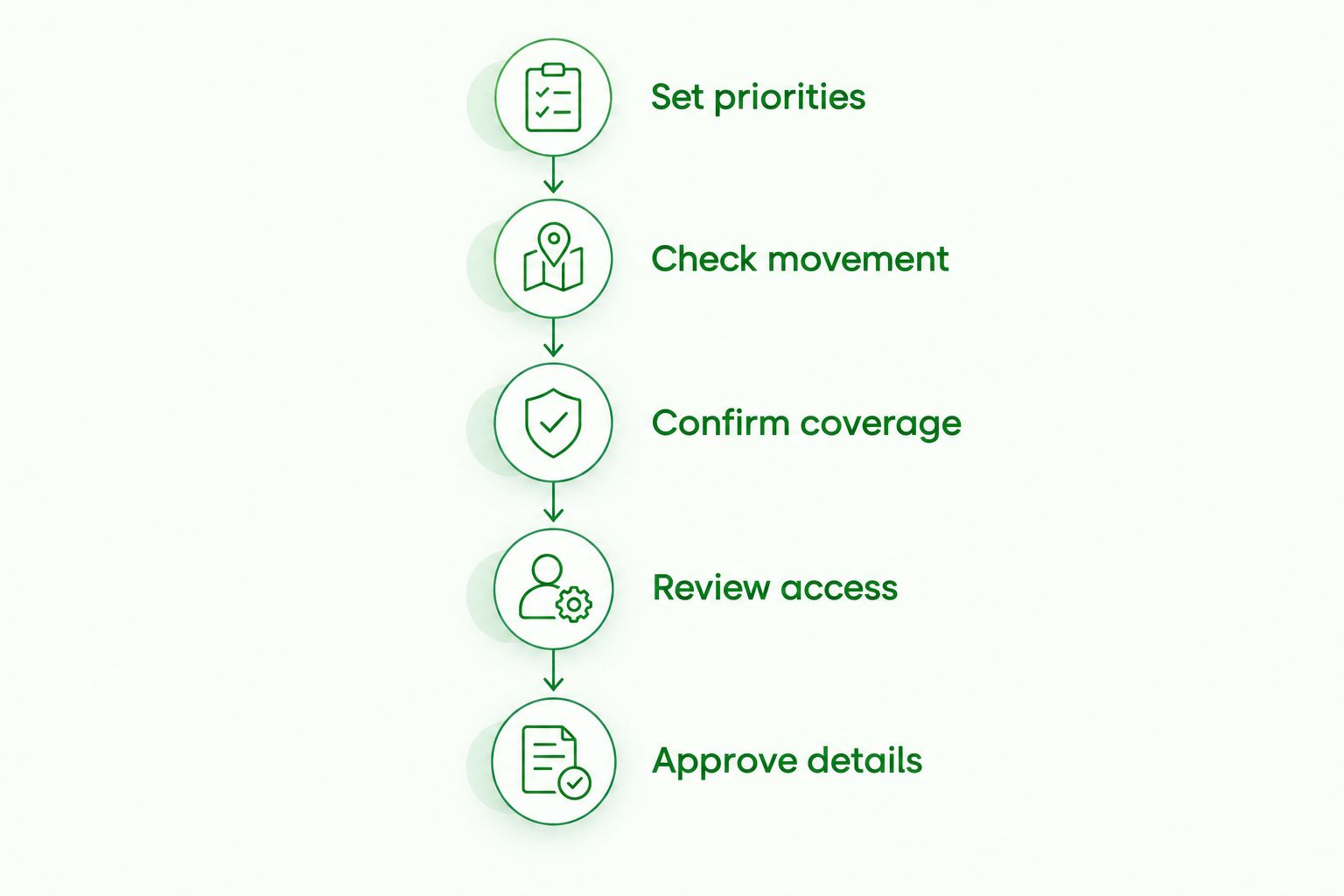
For a 2026 installation, settle the functional decisions before the appearance details. Use this sequence to keep the discussion practical and avoid approving a design whose operation you have not understood.
- Set priorities. Explain whether you want privacy, reduced glare, more control over daylight, or a consistent appearance across the room. Identify the problem that matters most.
- Check movement. Show how the window opens and where its handles and locks sit. Ask how the shutter will tilt or swing around those features.
- Confirm coverage. Decide whether the arch stays exposed or receives a shaped treatment. Review the position of every frame division.
- Review access. Walk through how you will reach the glass, operate the window, and clean behind the shutter. Include furniture that normally sits nearby.
- Approve details. Check the proposed configuration in writing, including what is fixed and what moves. Ask for clarification before authorizing the order.
The order matters. Starting with color can distract from a panel that cannot open where you need it to. Once the layout works, finish choices become a simpler decision.
What should you ask during an in-home consultation?
Ask for a demonstration of the proposed operation, not just a description of the finished look. A sample, sketch, or clear explanation should distinguish adjustable louvers from opening panels and fixed sections.
For your 2026 consultation, bring these questions to the window itself:
- Which parts of this shutter will remain fixed?
- Which louvers will adjust, and how will I reach them?
- Can the panels open fully in this location?
- Will the window handle and lock remain accessible?
- How will I clean the glass behind the shaped section?
- Where will the frame sit relative to the existing trim?
Olsson Smart Shades is a fit for Columbus and Central Ohio homeowners seeking custom-measured plantation shutters with professional installation. To request an in-home consultation or quote, describe the window shape, the room, and the problem you want the treatment to solve. Ask what information is needed before the visit.
Photos can make that first conversation clearer. Include the entire opening and the surrounding wall, not just the curve. Final fit still depends on the measurement and installation assessment.
Discuss your specialty window
Ask about custom-measured plantation shutters for your Columbus or Central Ohio home.
Will shutters for arched windows make a bedroom dark?
Shutters for arched windows control light, but they are not automatically a blackout treatment. Light can remain visible around edges and between components. Leaving the arch uncovered also leaves an uninterrupted path for daylight.
If darkness is your main goal, say that before the layout is chosen. Discuss the entire opening, including the upper curve, rather than focusing only on the lower panels. Use the guide to blackout shades for bedrooms to frame the light-control questions you want answered.
Can you still open the window behind a shaped shutter?
Window access depends on the shutter's frame, hinges, panel layout, and clearance. An opening window needs a design that accommodates the handle and the sash's movement. A fixed decorative section does not provide the same access as an opening panel.
Ask the installer to explain the complete motion: shutter first, then window. Check both opening and closing. Do not approve a layout that leaves you uncertain about reaching a lock or cleaning the glass.
Should you cover every arch in the house the same way?
You can coordinate the appearance without giving every room identical coverage. A shared finish or similar lower-panel design can support a consistent look while allowing different decisions about upper glass.
Start with the needs inside each room. Then review the view from outside, especially where neighboring windows appear together. Consistency is useful, but it should not require accepting unwanted light or an unresolved privacy issue.
FAQ
Can plantation shutters fit an arched window?
Yes, plantation shutters can be custom-made for arched windows. The final design needs to account for the curve, mounting surface, window hardware, and required access.
Do the louvers move on arched shutters?
Louver movement depends on the shaped shutter's design. Confirm which louvers adjust and which sections remain fixed before ordering.
Can I leave the arch uncovered above plantation shutters?
Yes, a rectangular shutter can cover the lower window while leaving the arch exposed. That arrangement preserves upper daylight but does not control light or views through the uncovered glass.
Can shutters fit round or triangular windows?
Custom shutters can be an option for round or triangular windows. Have the opening assessed to confirm the frame layout, operation, and cleaning access.
Will arched shutters give me complete blackout?
Arched shutters do not automatically provide complete blackout. Discuss light at the edges and between components, along with coverage of the upper glass, before choosing the design.
Do I need professional measurements for specialty shutters?
Professional measurement is the right starting point for custom specialty shutters. The assessment needs to capture the shape and check mounting depth, obstructions, and panel clearance.
Who can I contact about custom shutters in Columbus?
Olsson Smart Shades provides custom-measured plantation shutters and professional installation for homeowners in Columbus and Central Ohio. Request a consultation or quote and explain the window shape and the privacy or light-control problem you want to address.
One last thing
The most useful question is not just whether the shutter fits. It is how you will reach the glass behind it. Cleaning access exposes design compromises that a front-view drawing can hide.
Before approving your 2026 order, ask someone to walk you through that task. If the explanation is unclear, resolve it before the shutter is made. You should understand how your window treatment works before it becomes part of your home.