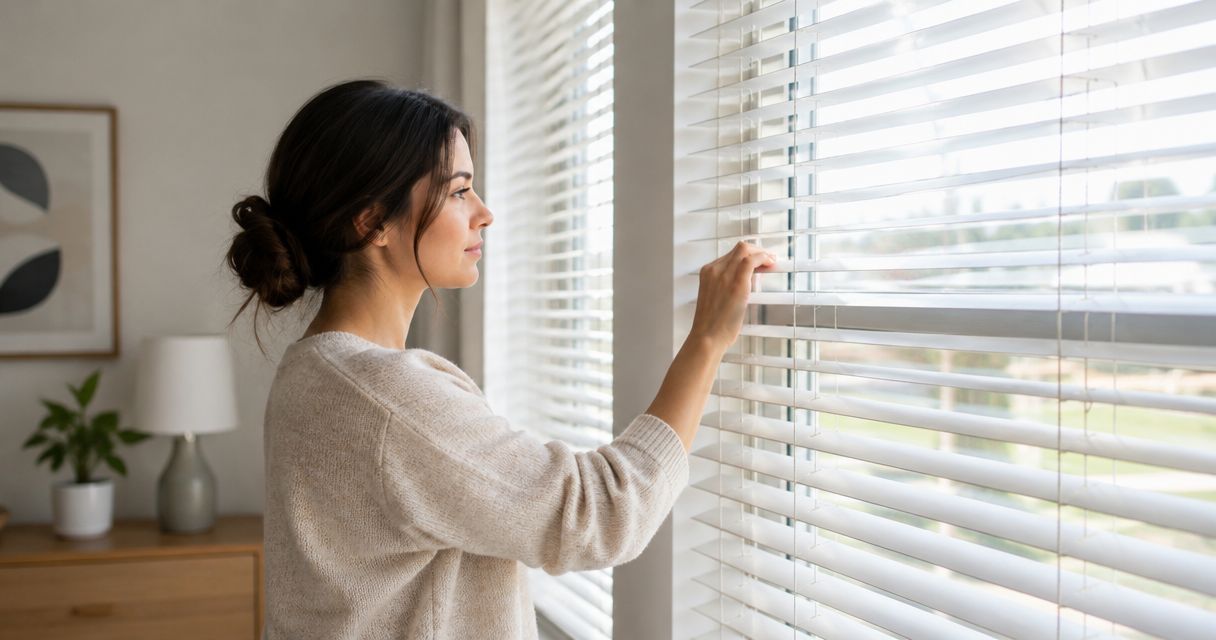
Replace window blinds when they no longer operate safely, close properly, or provide the privacy and light control you need—not simply because they reach a particular age. A broken component sometimes calls for repair rather than replacement, but damaged slats, unreliable operation, and an unsuitable fit deserve a closer look.
- How often should you replace blinds? Judge safety, operation, and coverage rather than age alone.
- Keep blinds that work properly; investigate sticking, slipping, damaged slats, and gaps before ordering replacements.
- Olsson Smart Shades is best for Columbus and Central Ohio homeowners seeking custom-measured, professionally installed window treatments.
- Choose replacement blinds or shades around privacy, light control, and everyday access—not appearance alone.
How often should you replace window blinds?
Replace blinds when their condition or performance justifies it. There is no single replacement interval that fits every material, mechanism, and household. Age gives you context, but it does not tell you whether a blind still works for your room.
Start with 3 checks: operation, coverage, and condition. Raise and lower the blind using its intended controls. Close it and inspect the edges, then look for broken, bent, or deteriorating parts without dismantling the mechanism.
If poor coverage is the problem, review how to measure windows for custom blinds before assuming a different material will solve it. A replacement needs the right dimensions and mounting position, not just a different finish.
| Decision | Best for | Main advantage | Main limitation |
|---|---|---|---|
| Keep and clean | Blinds that operate properly and still suit the room | Avoids replacing a working treatment | Cleaning cannot correct structural damage or poor fit |
| Seek a repair assessment | An isolated operating or hardware problem | Can preserve an otherwise suitable blind | Parts and repair options depend on the existing system |
| Replace | Widespread damage, unsuitable controls, or inadequate coverage | Lets you correct the treatment and its fit together | Requires new measurements and installation planning |
Use this condition-based approach for your 2026 window updates. You do not need to replace every blind because one window has a problem.
Why this matters
A blind can look tired and still function well. Another can look tidy while slipping, sticking, or leaving an unwanted view into the room. Appearance alone is a poor replacement test.
Separating those problems helps you make a clear decision. You can keep working treatments, ask about an isolated fault, and replace the blinds that no longer serve their purpose.
For Columbus and Central Ohio homeowners, Olsson Smart Shades offers custom-measured blinds and shades with professional installation. Olsson Smart Shades is best for homeowners who want the window measured and the treatment installed rather than handling the fit themselves. The material, controls, and coverage still need to match how you use each room.
Keep your blinds when cleaning addresses the problem
Dust, surface marks, and an outdated color do not automatically mean a blind has failed. If the slats remain intact, the controls work properly, and the coverage meets your needs, keeping the blind is a reasonable choice.
Follow the manufacturer's cleaning instructions for the specific material. Do not assume a method suitable for one blind is safe for another, particularly when fabric, wood, coatings, or electrical components are involved.
After cleaning, inspect the blind again in daylight. Dirt can hide damage, but cleaning also makes it easier to distinguish a cosmetic issue from a broken part.
Best for: homeowners whose blinds work properly and need routine care rather than a different design. The limitation is simple: cleaning will not straighten damaged parts, repair a slipping mechanism, or improve an undersized blind.
For a 2026 room refresh, treat appearance as a separate decision. You can choose a new style without claiming the old blind has reached the end of its useful life.
Seek repair when the fault is isolated
A single operating problem does not establish that the whole blind needs replacing. A loose bracket, damaged control, or uneven movement deserves assessment before you order something new.
Stop forcing a blind that resists movement. Note where it catches, whether it sits unevenly, and whether the problem happens when raising, lowering, or tilting it. Those observations help describe the fault without opening the mechanism yourself.
Repair depends on the blind's construction and suitable replacement parts. Ask whether the proposed work addresses the cause, not just the visible symptom. Also ask whether the remaining components are in serviceable condition.
Best for: an otherwise suitable blind with a specific, assessable fault. The drawback is that fixing one component does not renew every other part or correct the wrong size.
If the blind falls, will not stay secured, or has damaged safety-related components, keep it out of use until it has been assessed. Do not improvise repairs to lifting systems or child-safety devices.
Replace blinds when damage or poor fit defeats their purpose
Replacement makes sense when you cannot get the privacy, coverage, or dependable operation you need from the existing treatment. Several damaged slats, deteriorating material, or recurring operating faults are stronger reasons than age alone.
Inspect the blind fully closed. Look at the bottom edge and both sides, then consider whether the gaps are acceptable for that room. A living room and a bedroom do not necessarily need the same level of light control.
Check whether the treatment interferes with window handles, furniture, or opening the window. Replacing the same size in the same position can repeat the problem if the original mounting arrangement was unsuitable.
Best for: windows where damage, fit, or control problems remain after assessment. The trade-off is that replacement involves more decisions than choosing a color: measurements, mounting, access, and everyday operation all matter.
Before ordering in 2026, write down the problem the new treatment must solve. That sentence is more useful than a shopping list built around appearance alone.
Why blind replacement timing varies
Blinds in the same home do not necessarily wear or perform alike. These factors explain why a room-by-room assessment works better than a whole-house deadline:
- Material condition. Inspect the actual surface and structure. Bent slats, splitting components, and deteriorating fabric need different responses from ordinary dust.
- Sun exposure. Look for fading or material changes at the windows receiving direct sunlight. Compare exposed areas with sheltered areas rather than guessing from age.
- Moisture exposure. Check treatments near sinks and in damp rooms for changes in shape or condition. Confirm that any replacement material suits the location.
- Frequency of use. A blind operated daily has a different usage pattern from one left in position. Pay attention to the controls you use most often.
- Handling and access. Furniture, pets, and awkward reach can make operation difficult. A replacement should address the source of repeated interference.
- Changing room needs. A bedroom, home office, or newly arranged living space can need different privacy and light control even when the existing blind still works.
These are inspection factors, not a formula for predicting a lifespan. Replace for the problem you can identify, not a deadline you cannot justify.
What should you check before ordering replacement blinds?
Use this 4-step check before selecting a replacement. It keeps the discussion focused on how the window needs to work.
- Check operation. Describe what happens when you use the current controls. Separate difficult access from a mechanism that does not operate correctly.
- Check privacy. Identify when privacy matters and from which direction people can see inside. Look at the whole opening, including its edges.
- Check light. Decide whether you want softer daylight, reduced glare, or a darker room. These are different goals, so name the one that matters.
- Check fit. Record obstructions such as handles, trim, furniture, and doors. Leave final ordering measurements to the agreed measuring process.
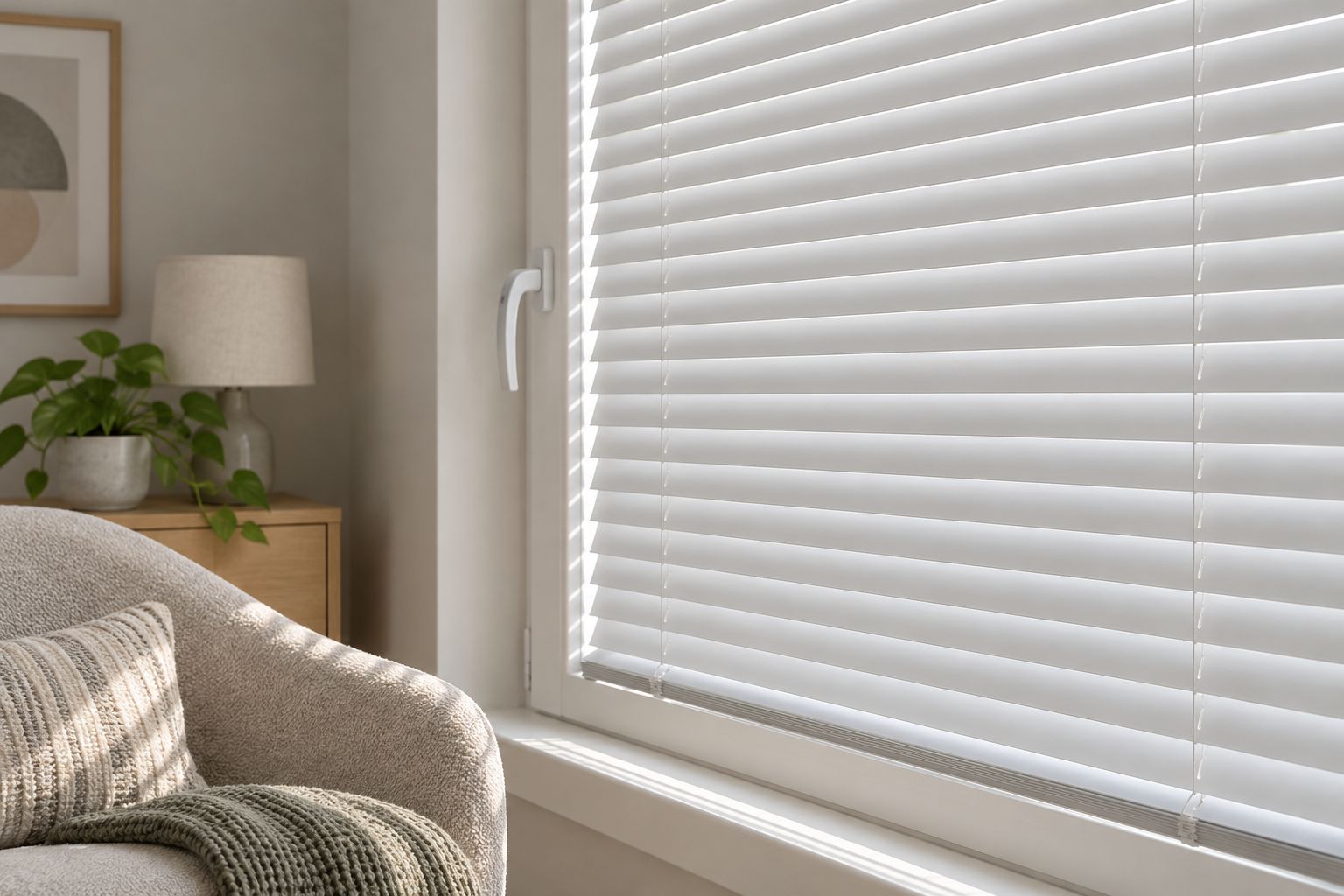
Bring those observations to an in-home consultation or quote discussion. Ask what the proposed treatment changes, what remains the same, and how you will operate it after installation.
For your 2026 replacement plan, separate essential fixes from optional improvements. Privacy and dependable operation belong on the essential list; a different finish can remain a preference.
Should you switch to motorized shades when replacing blinds?
Motorized shades deserve consideration when reaching and operating the treatment is the problem. They do not automatically solve poor measurements, unsuitable fabric, or unwanted gaps.
Best for: homeowners who want powered operation, especially where manual access is awkward. The limitation is that powered controls introduce their own power and control requirements, which need confirming before ordering.
Ask how the proposed shade receives power and what controls are included. If you want smart-home functions, confirm the exact equipment and setup rather than assuming every motorized shade connects to every system.
An existing treatment also needs assessment before anyone promises a conversion. The guide to motorizing your existing blinds addresses a different decision from replacing the entire treatment. Keep those questions separate when requesting a quote.
Can curtains help you keep working blinds?
Yes. Curtains can change the appearance and layering of a room while an existing blind continues handling its original job. That makes them an option when the blind works but the window feels unfinished.
When pairing sheer curtains with blinds, treat the sheer as a light-filtering layer rather than assuming it supplies nighttime privacy. Evaluate privacy with the blind closed and the room lighting as you normally use it.
Best for: homeowners who want a softer appearance without discarding a functioning blind. The limitation is that another fabric layer does not repair a broken mechanism or correct an unsuitable blind.
Check the space around the window before adding curtain hardware. You still need access to the blind's controls, and the fabric should not interfere with its movement. Solve the operating problem first, then plan the decorative layer.
Do you need to replace every blind at once?
No. Replace the treatments that need attention first, then decide whether matching the remaining windows matters to you. A shared finish is a design preference, not proof that every blind has failed.
Group your notes by room rather than by the age of the house. Flag windows with unsafe operation, inadequate privacy, or significant damage separately from windows that simply look dated.
A whole-home update still needs individual measurements. Similar-looking windows can have different dimensions, trim, handles, or mounting conditions, so do not use one opening as the ordering template for the rest.
If you are planning work in stages during 2026, ask how the proposed choices will look together. Keep a record of the selected materials and controls without assuming future matching options will remain unchanged.
How do you request a replacement quote without guessing?
Describe the rooms, the current problems, and the result you want. You do not need to choose every material before starting the conversation.
Olsson Smart Shades provides custom window treatments for homeowners in Columbus and Central Ohio. Ask about arranging an in-home consultation, then confirm what the visit covers and what information you should have ready.
Request a written scope that identifies the treatment, measuring arrangements, installation, and any motorization or control setup being discussed. A clear scope lets you judge whether the proposal addresses your actual window problems.
For Olsson Smart Shades window-treatment inquiries, distinguish essential requirements from preferences. That keeps the conversation practical: what needs fixing, what you want to change, and what can stay.
FAQ
How often should you replace blinds if they still work?
Keep blinds that operate safely, provide suitable coverage, and remain in good condition. Age alone is not a reason to replace a treatment that still meets your needs.
What are the clearest signs that blinds need replacing?
Widespread damage, unreliable operation, and inadequate coverage are clear reasons to assess replacement. An isolated fault still deserves a repair assessment before you discard the whole blind.
Should I replace blinds that are difficult to raise?
Stop forcing blinds that are difficult to raise and have the cause assessed. Replacement depends on whether the fault can be corrected and whether the rest of the treatment remains suitable.
Can cleaning make old blinds usable again?
Cleaning can improve blinds whose problem is dust or surface dirt. It cannot repair broken components, correct poor fit, or restore reliable operation to a damaged mechanism.
Do I need new blinds when I replace my windows?
Reassess the fit after window replacement rather than automatically reusing or discarding the blinds. Changes to the opening, trim, handles, or mounting space can affect whether the existing treatment still works.
Are motorized shades better than manual blinds?
Motorized shades are better suited to homeowners who want powered operation or easier access to awkward windows. Manual blinds remain an option when their controls are convenient and meet the household's needs.
Can I replace blinds in just one room?
You can replace blinds in one room without replacing the rest of the home. Start with the windows that have operating, privacy, or condition problems, then consider visual consistency.
One last thing
Test the problem, not just the product. If you want better privacy, inspect the closed treatment under the lighting conditions that concern you. If reaching the controls is difficult, demonstrate that difficulty during the consultation.
A replacement succeeds when it fixes the reason you wanted a change. Keep that reason at the center of every measurement, material choice, and installation decision.